Leading the way in specialist education for people who are blind or partially sighted for more than 150 years. Below is a summary of key moments in the College’s long history.
If you are researching the College’s history or looking for a relative that once attended, the Perkins School for the Blind, based in the USA, holds a collection of RNC’s annual reports, newspaper clippings, leaflets and photographs. You can take a look by clicking here.
History of RNC
1871
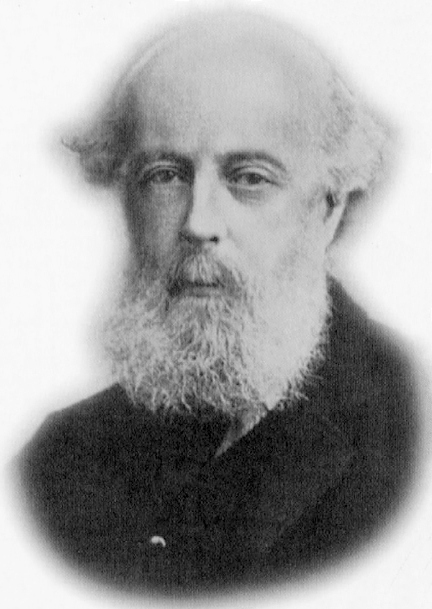
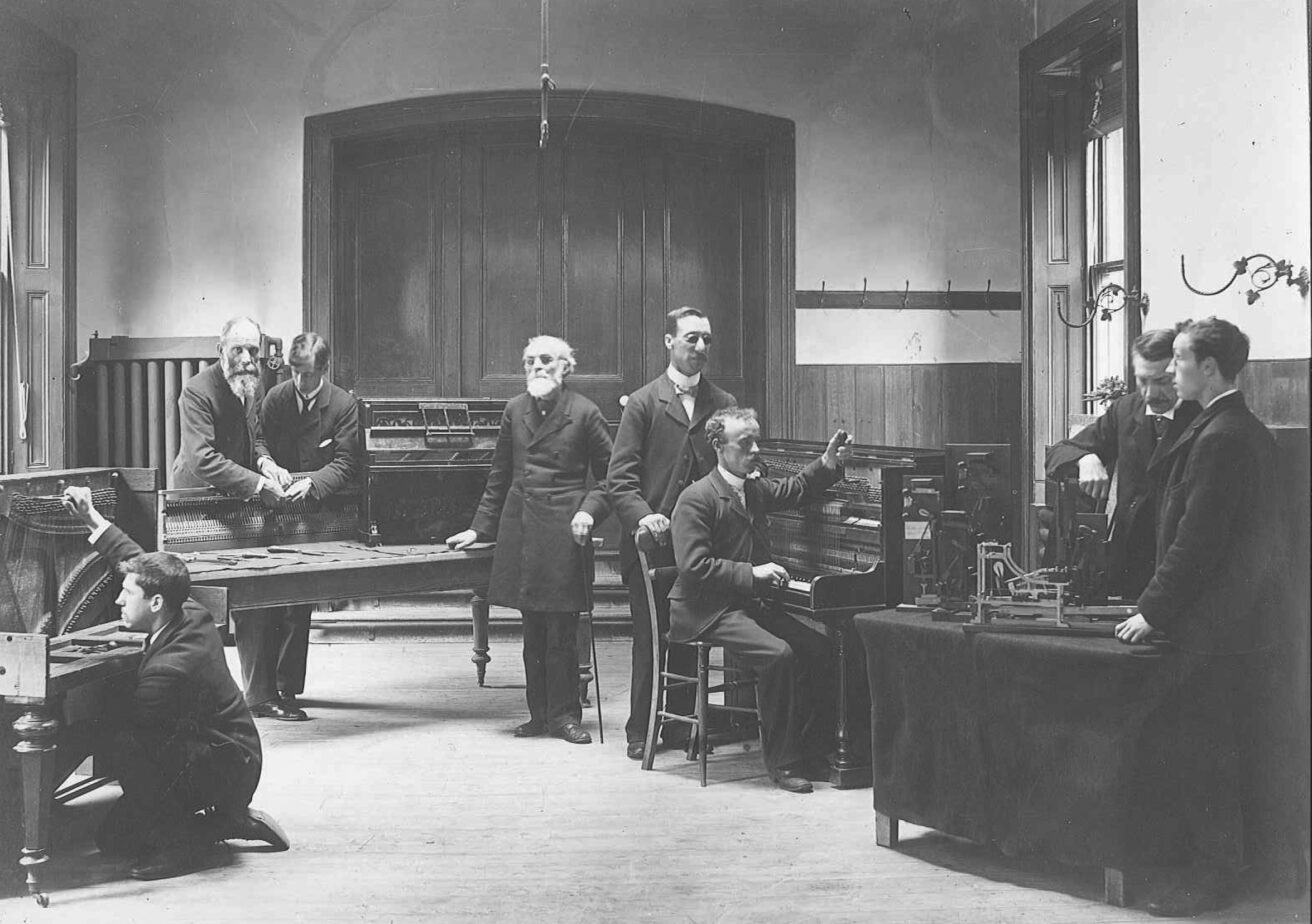
Victorian Philanthropist, Dr Thomas Rhodes Armitage met like-minded American visionary, Francis Joseph Campbell. Armitage was focused on offering blind students a good education which would lead on to worthwhile employment, while Campbell, a music teacher in several blind schools, had been forced to flee the US after voicing his opinions on anti-slavery. He arrived in England after he was spared hanging due to public sympathy for his blindness.

1873
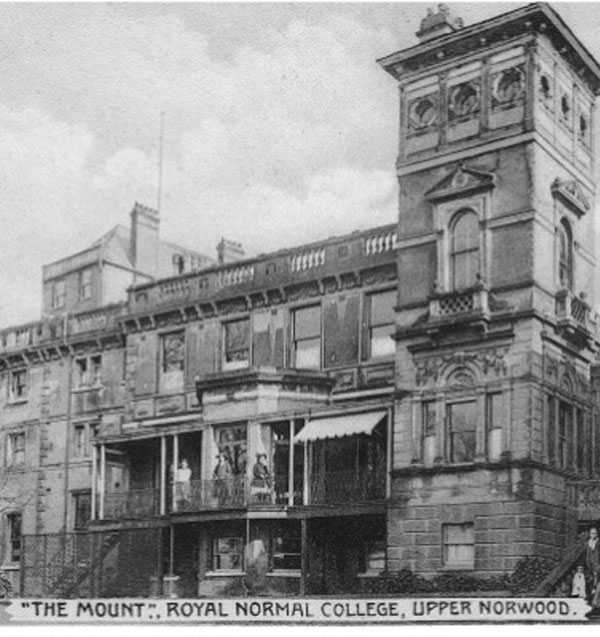
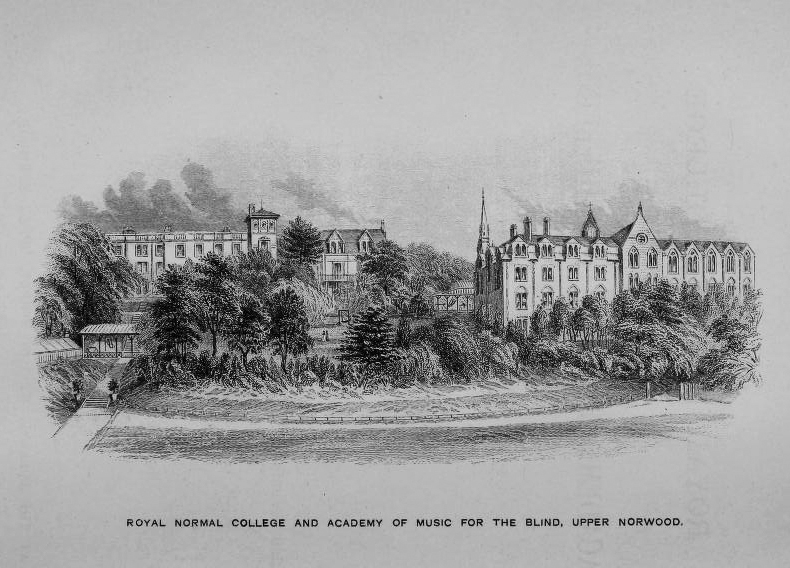
Within a year the College had outgrown the original Crystal Palace site and moved to Upper Norwood.
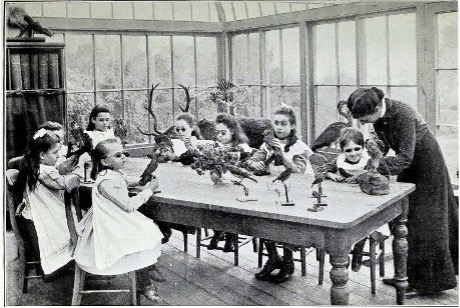
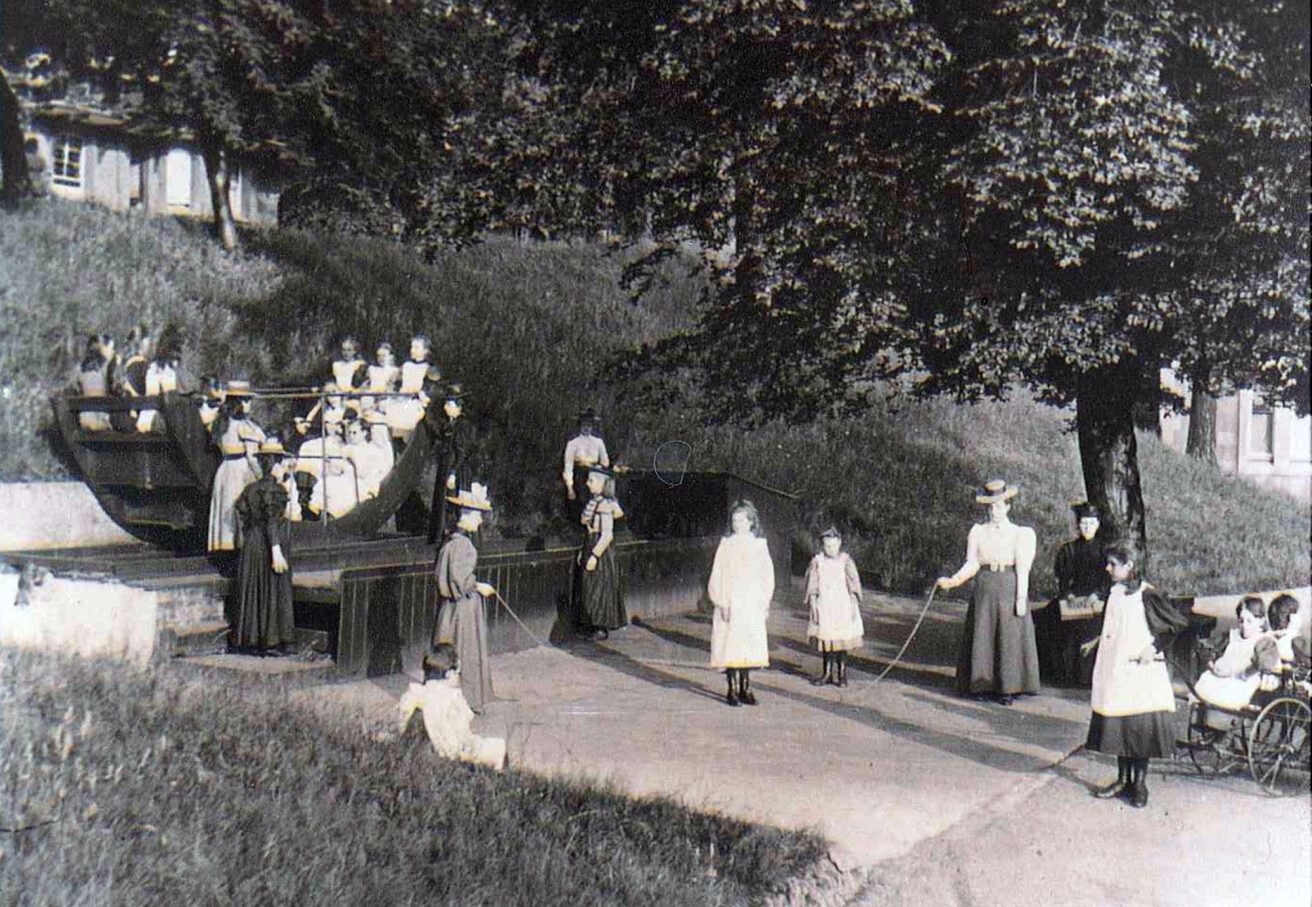
The curriculum was liberal and advanced for its day and included a large amount of physical education. Roller-skating was much practised and an early report mentions tobogganing after a heavy fall of snow. In those early days the atmosphere was full of life and excitingly experimental.
1887
In 1887, Doctors Campbell and Armitage founded the Guild of Past Students ‘for the purpose of mutual aid, especially in the first entry into life’. The Guild is still going strong today.
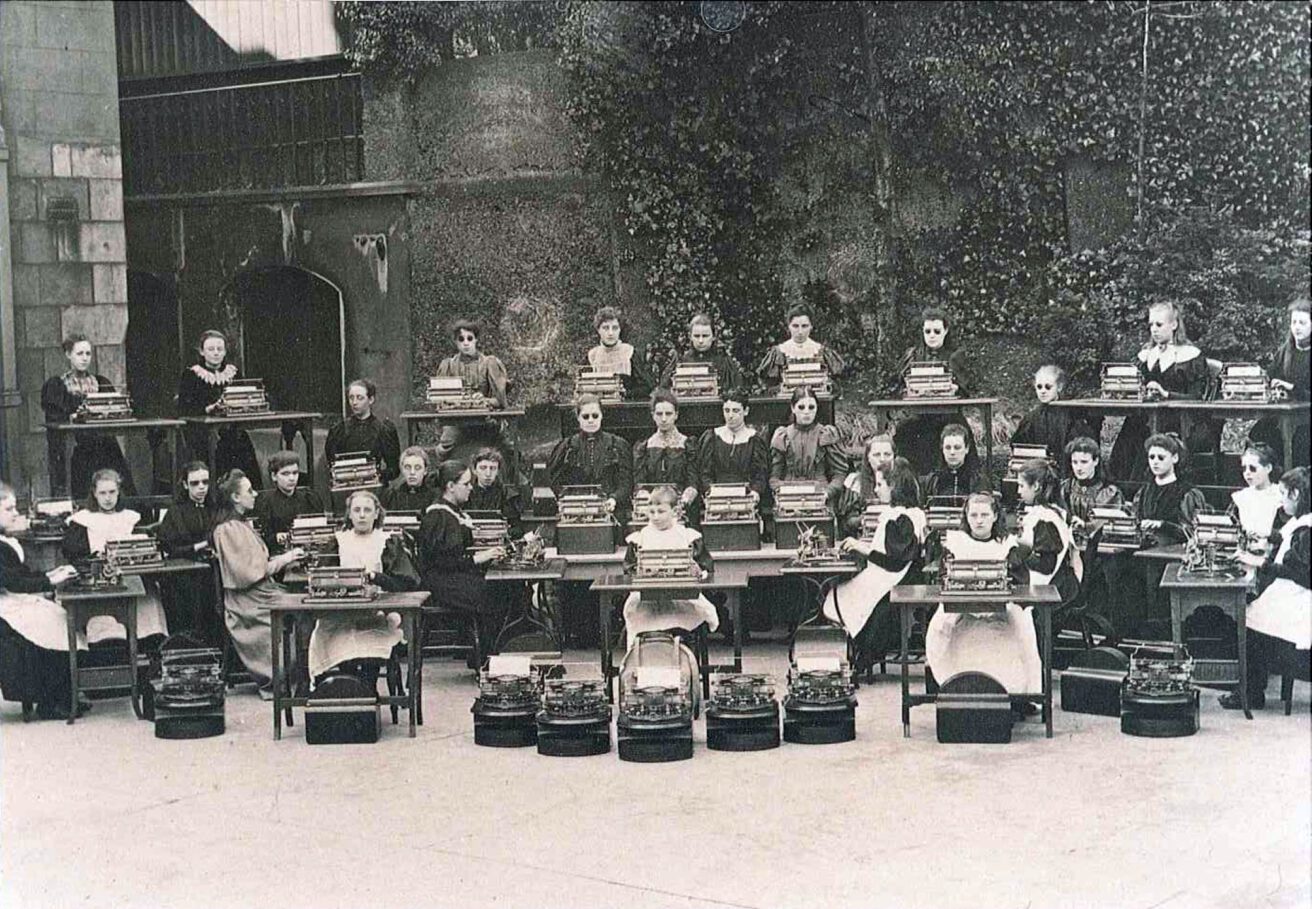
1909 – 1937
In 1909, Francis Campbell was knighted by King Edward VII and retired three years to be succeeded by his eldest son, Guy Marshall Campbell.
In 1929, Guy was succeeded by his widow, Louie Bealby Campbell until she retired in 1934.
William Stone took over but retired three years later in 1937.
1940 – 1946
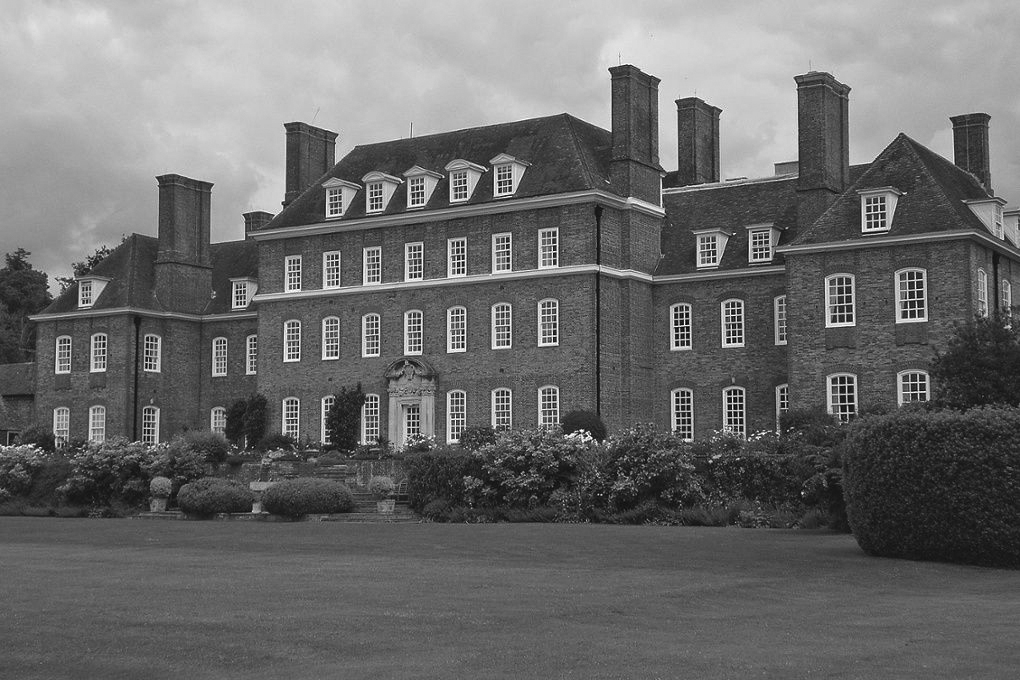
During the war years, the College was evacuated to Great Maytham in Rolvenden, West Kent. However, with imminent threat of invasion, staff and students had 24 hours notice to move to Dorton House in Aylesbury.
1953 – 1958
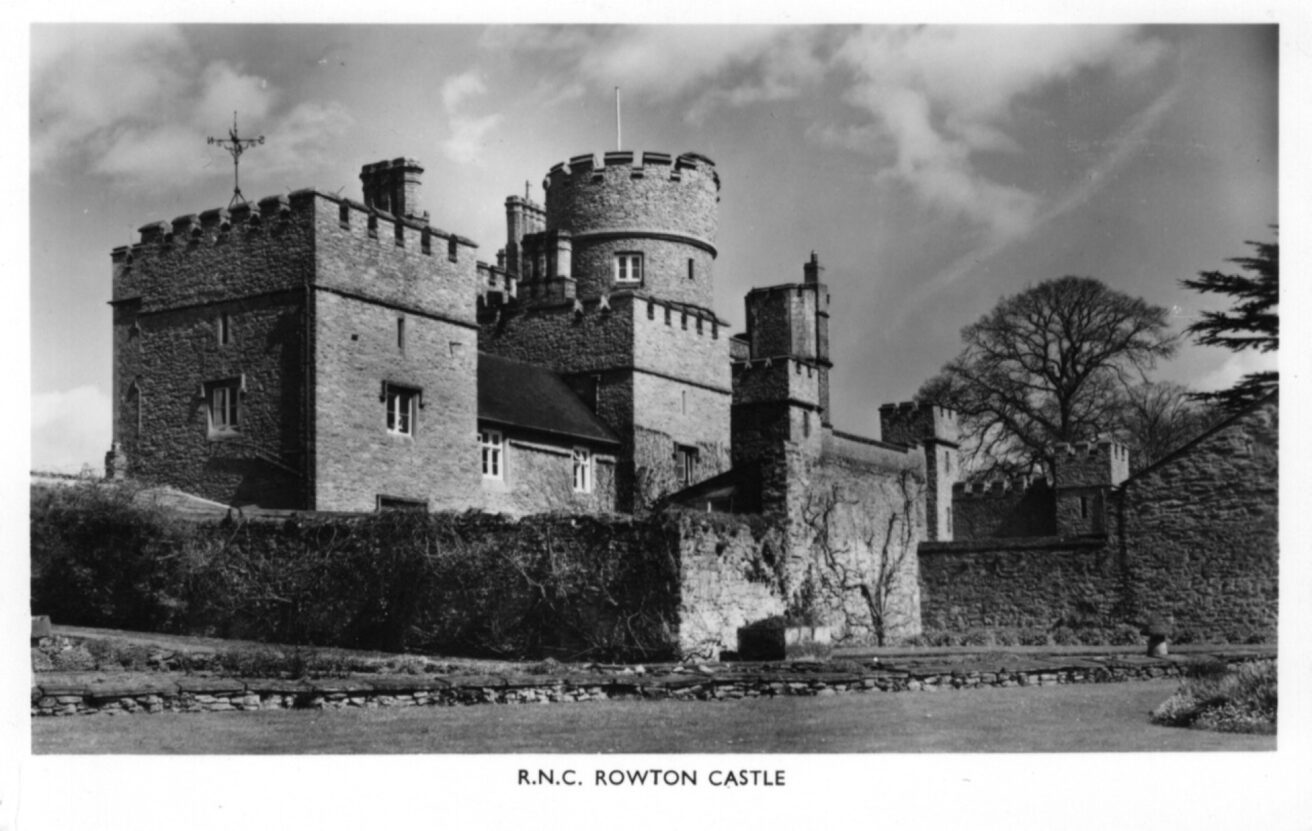
Work was underway to enlarge the site at Rowton Castle, but a fire broke out destroying many of the buildings including 38 pianos and organs.
In 1955, the College acquired Albrighton Hall near Shrewsbury and adapted it for older boys and young men.
In 1958, Hardy House was obtained as a new residential building for girls previously based at Rowton Castle. The building included six kitchenettes, where girls were taught domestic skills which today forms the basis for the ILS syllabus taught to all RNC students.
1966
After 29 years as Principal, Dr Langdon retired and was succeeded by Alfred Lidster, who had previously been the College’s Bursar.
1978
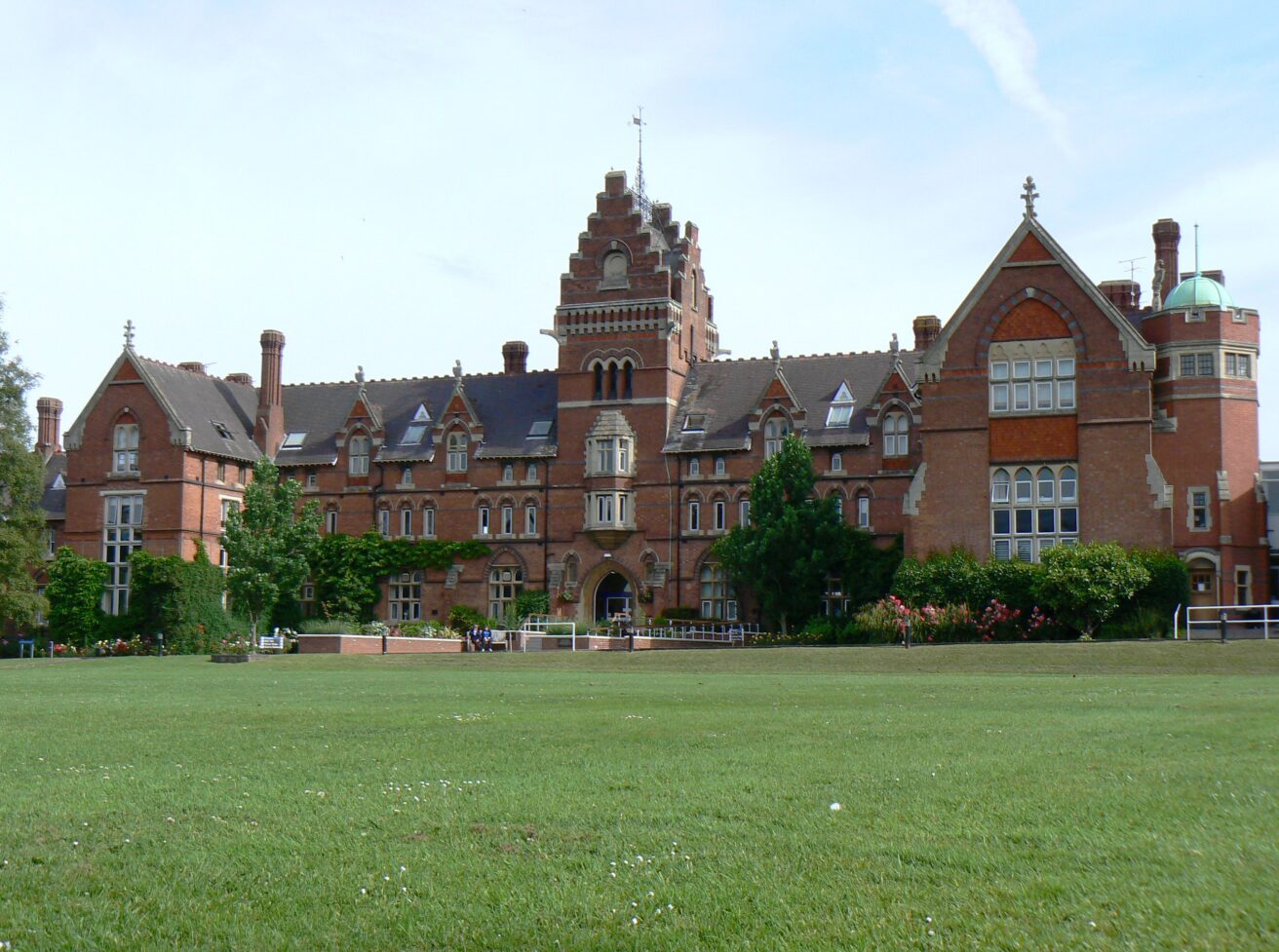
In 1978, the College moved to its current site in Hereford. A year later, the work experience scheme was expanded, enhancing the emphasis on employment, dating from its conception by Dr Armitage, and this ethos remains the focus today.
The Independent Living Skills (ILS) Department was set up to offer a tailored programme to develop independence alongside academic studies.
2000 – 2007
The College led specialist education into the 21st century after being awarded Beacon Status for Excellence in 2005.
RNC’s talented staff were recognised nationally by the National Star Awards including the ILS team who won the Outstanding Team award in 2006 and RNC’s teacher in charge of performing arts who won the Outstanding Teaching and Learning Practitioner award in 2007.
2008 – 2010
In 2008, RNC opened the world’s first Football Academy for the Blind.
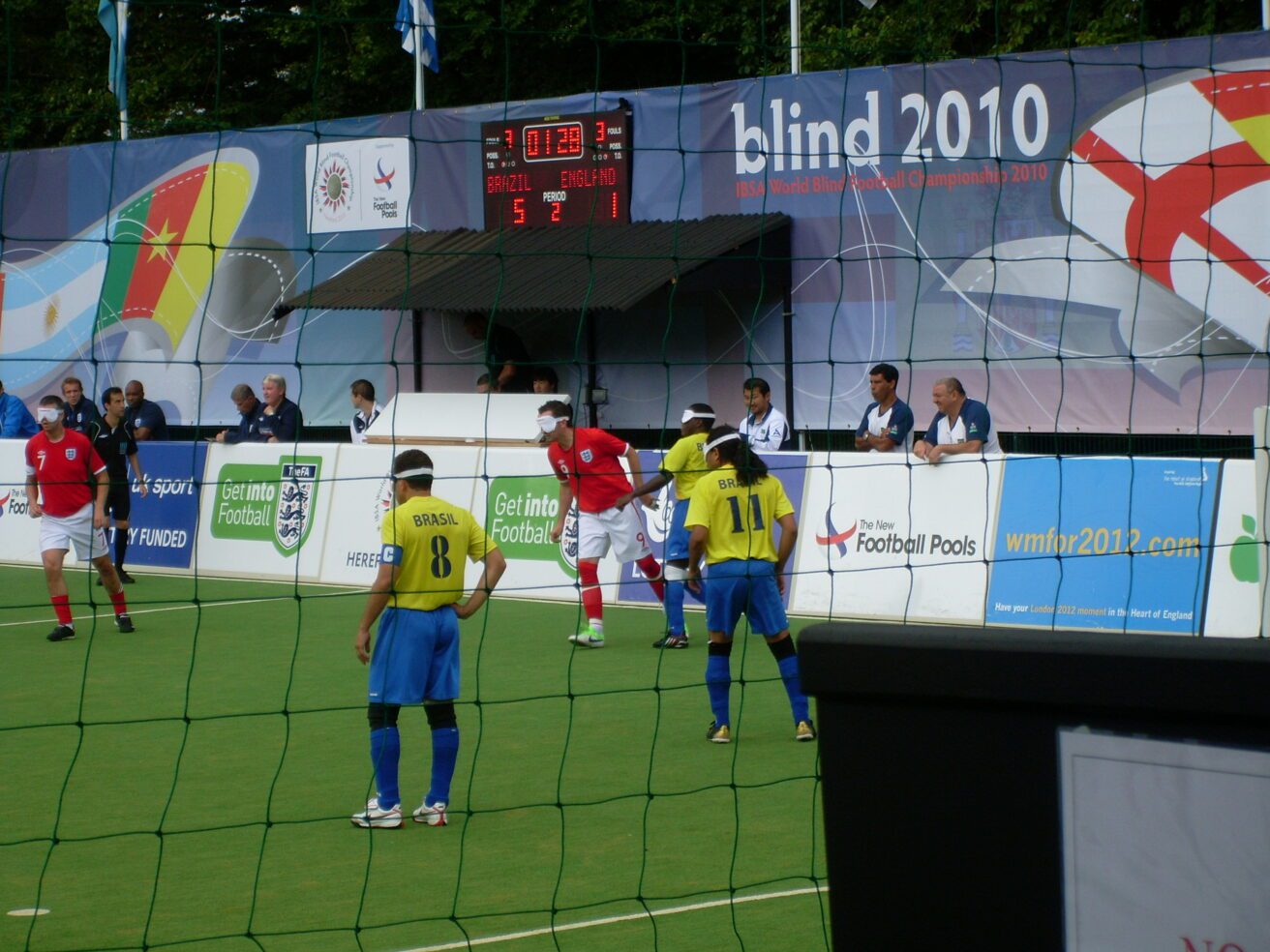
Two years later, the College’s state of the art sport centre, thePoint4, was the host venue for the IBSA World Football Championships.
2013 – 2014
RNC celebrated a number of student successes including Juan Greggor who won Total VI Dressage at the National Riding for the Disabled Championships in 2013/14.
Alex Green won the inaugural West Midlands Young Enterprise Journey Award in 2014.
RNC launched a Neworking Academy and Sports Academy in 2014
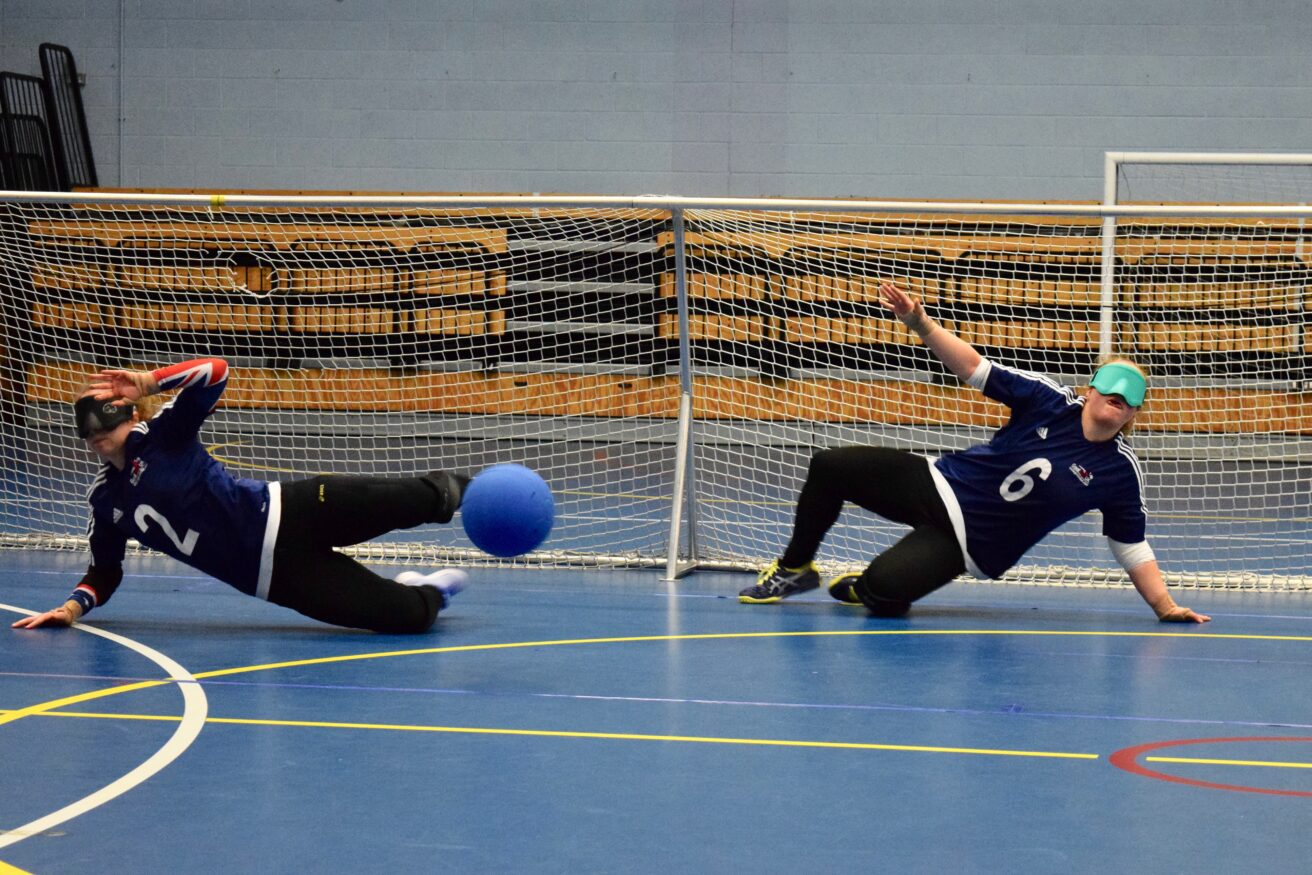
Read more about important people and history at RNC
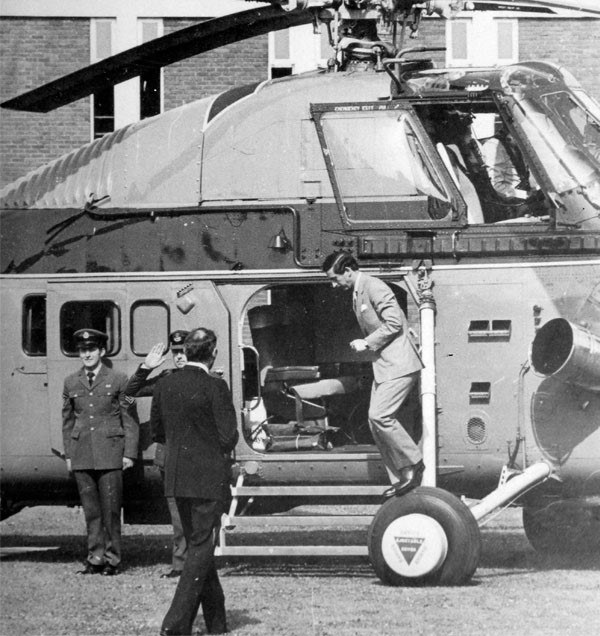
A Royal Visit
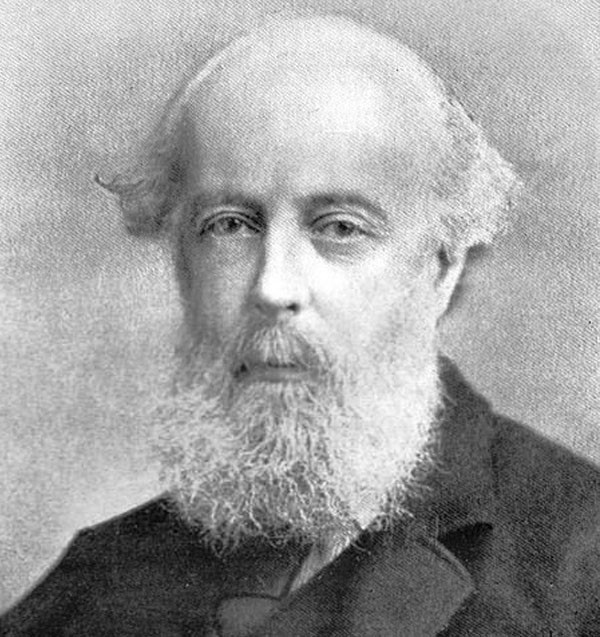
Dr Thomas Armitage
Sir Francis Campbell
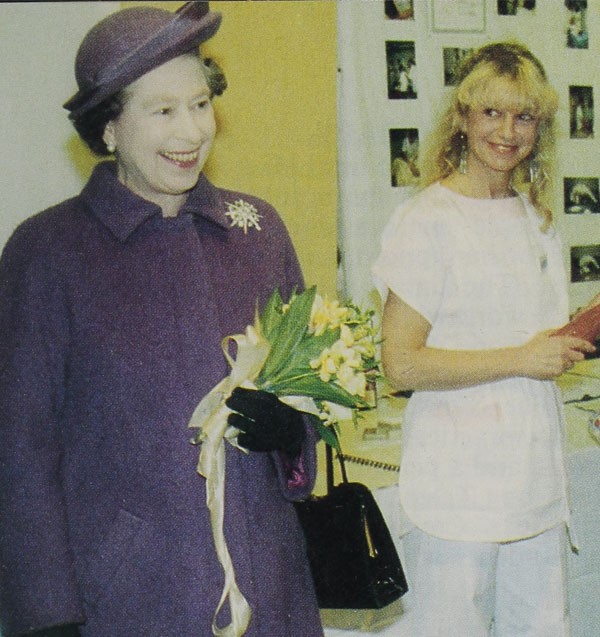
The late Queen visited the College